Welcome to my blog, where I write about random topics. Use the "Posts by Tag" section on the left to view my posts sorted by the various interests.

Quote For The Day:

Showing posts with label Health. Show all posts
Saturday, July 27, 2019

Eating to beat Cancer

Sorry, long post.... so I really didn't want to ruin anyone's 4th of July, but after my research I'm making a few changes to my own diet, too. Starting with cutting out known CARCINOGENS!

I hear people say, well I know something will kill me, so I may as well die happy, doing/eating the things I love. Friends let me tell you, after seeing 4 cases of cancer back to back, recently, IT IS NOT WORTH IT. I mean, I'd rather die happy than with great suffering, who wouldn't. So read on for more about relatively easy changes we can all make and why, if you will, to help yourself. Because I care about YOU, and ME.

*Grilling meats (but not veggies) causes carcinogenic byproducts to form.
*Baked at high temperature is also bad. Slow cook meats instead.
*Don't deep fry.
*Especially don't reuse oil - it destabilizes and turns rancid which damages your DNA. (One of the ways that provides cancer cells an opportunity to move in - more on that later.)
*Don't heat oils to smoking, or hotter. Releases toxic fumes and trans fats. Cook with EVO below smoking point.
*Use oven or stovetop to heat foods, as microwaving regularly is bad because of buildup of a harmful polymer from the high heat changes.
*Processed meats and foods are bad.
*Red meat is bad. Try to eliminate or cut down most of it.
*Try to reduce white flour and white rice.
*Excessive amounts of sugar/salt and oily foods.

Four cases.
1) Charles got too much sun damage without sunscreen, over time. (If he only knew then what we know now.) Unshielded sunshine is one of the most harmful factors that damages our DNA (even in your car!)
2) Hope. I think it was dietary/weight in her case. If you are considered overweight, shedding pounds (especially by kicking SUGAR to the curb) will start lowering your risk.
3) Drew. Well we don't know why or how he got his, guessing chemical exposure, or hereditary? Many chemicals, even gas pump vapors, damage your DNA.
4) And, Darren. Lung cancer, probably from cigarettes. Long term smoking, per Drew's doctors, is the leading cause of this type cancer. But quitting smoking immediately improves your odds. Many harmful chemicals in cigarettes damage your DNA.

If you make a few changes, you CAN significantly improve your chances of living to let something ELSE take you out that isn't so terrible! Please. Save yourself. And your next generation. DNA damage can be passed on.

"We all have cancer growing in our body. Every single one of us, even you. ... Up to 10k mistakes occur in the DNA of dividing cells in your body every day ... Most of them never become dangerous. ... Every single type of tumor (even "liquid" tumors like leukemia, etc) must have angiogenesis to grow beyond a pinpoint size."
You can get a genetic test to test for hereditary cancer risks, but "Up to 90-95% of cancers are linked to exposures from the environment and our lifestyles."
Our bodies repair most of the damage on its own, and some foods help the speed & efficiency of the repair process. Or they just prevent the damage.
But what lets cancer take hold? Immune system weakened, invaders take effect where undetected (treated w/ immunotherapy). Or, overactive immune system: autoimmune diseases, which results in inflammation.

I'm trying to cut out the bads, and add in the goods -- the Cancer and Disease Fighters. This book is a vast resource of what foods will starve those tumors of their blood source and prevent them from ever having a chance to take a hold. And the foods are not out of the ordinary. You'd be surprised.

Sugar by itself isn't the carcinogen. But "Being overweight causes hazardous inflammations. ... This increased immune response causes the body to generate excessive inflammation."
This is what starts trouble.

Well that's my soapbox for now. Some of these are harder than others, like bacon, ham, and beef... And microwaved lunches. I have a big change there. I'm a 3-4 day a week Teleworker right now so it just got easier. I have to adjust my work lunch convenience, though. Are you gonna change? What'll be your hardest sacrifice to make for yourself?


Safe(r) Vaping

Vapers, please research and be aware. The danger is in certain flavorings, which contain diacetyl, according to what I've been reading up on. Read a reputable article below about how this was discovered (popcorn "butter" flavoring, originally).
Research and buy diacetyl free vape juice or flavorings, please! Keep it safe.
https://www.google.com/search?q=vape+flavors+without+diacetyl

"a scarring of the tiny air sacs in the lungs resulting in the thickening and narrowing of the airways....serious lung disease that causes coughing, wheezing and shortness of breath, similar to the symptoms of chronic obstructive pulmonary disease (COPD)."
https://www.lung.org/about-us/blog/2016/07/popcorn-lung-risk-ecigs.html

And if you like to mix your own, you can buy DIY flavors that are also diacetyl free...
Example
https://liquidnicotinewholesalers.com/e-juice-flavoring.html?dir=asc&limit=5&mode=list&order=weight&p=18

Locals, shop at Bama Vapor . Their brand is diacetyl free according to the owner. I talked to him today while picking up nicotine free flavors for Drew!
http://bamavapor.com/

We've learned that nicotine causes problems with the pancreas. It's another reason to try and wean off it if you can.
Thursday, December 8, 2011

Water, Water, Everywhere, but Which Drop Do We Drink?

(I forgot to finish this post, many months ago.  I think it's because I wanted to study up on the flouride more before posting it.  It's almost been a year since I started this though, so better late than never....LOL.)

I've been on a push to stop drinking so much garbage, and try to start drinking more water. To accomplish this goal, I started buying flavored water beverages like Vitamin Water. Hey, it sure beats drinking a soda every day like I used to. I decided I could still do better -- though I could really stand to drink MORE water, I knew I could drink *better* water.

Now some of you might think this sounds crazy, since I am not having weight issues, but I wanted to cut out some more of the sugar. Hey, being healthy isn't just about losing weight, people! Did you know that any average adult can develop adult-onset insulin resistance, leading to type 2 diabetes!? Stop eating so much sugar! No wonder the US is so overweight. Many people have the visual indicator of excess weight to let them know when they're out of balance. I think it's actually harder to identify when you don't, but it can still happen to anyone! "Long-term complications from high blood sugar can include increased risk of heart attacks, strokes, amputation, and kidney failure." Okay, I know one day we will all die from something, but I don't want to go out like THAT, do you? Not when it's so easy to prevent. Dead honest - I actually LIKE the way things taste now without as much sugar. Drinking overly-sugary things taste ... well, overly-sugary. It's amazing what differences you notice after being made aware of something and trying it.

Anyway, in my quest to find a healthier water beverage, try as I might, I just can't avoid the truth that just plain water is really the healthiest and most beneficial beverage. However, not all water is created alike. "What!?!? It's all water." No really, it's true! Did you know that tap water is not regulated in the same manner as bottled water? The FDA regulates bottled water, while the EPA governs tap water. There are differences, and it's up to you to decide what's best for you and your family.  When looked at it as a whole it appears the EPA (tap water) operates on a stricter scale than the FDA (bottled water).

The FDA just isn't up to speed as compared to the EPA so bottled water is highly more likely to fall short of the mark of being better. Want a real eye-opener?  Watch the movie "Tapped."

The bottom line?  Drink from the tap.  But, "Buy a filter or be a filter."

If I could afford it, I'd buy VitaCoco water drinks! "As per FDA guidelines, flash pasteurization is mandatory for bottled beverages."  They package in a special "Tetra Pak" which stabilizes the coconut water and gives the product a shelf life of 12 months. No preservatives or additives are included. It is water, only healthier (electrolytes; potassium). There is no danger of BPA as there is with bottled water thanks to the packaging.

Know your water source. Check the reports on your local water. They are required to send you a Consumer Confidence Report (CCR) annually.  You could obtain one from your local water supply's office at any time.  What do you look for on this report? Levels of:

1) Chlorine. While it kills off a host of hazards, it is probably not so great for us to ingest long-term. Slow poison? Could be.
Or, Chloramine. Your tap water may be treated with this.
(Either way, those with pets are in the and treat their water appropriately. Neutralized chloramine will still contain the released now-free ammonia molecule, which is dangerous and toxic to fish, so it also must be neutralized. AquaSafe or Amquel work for this.)
Now that being said, if it's so critical to safeguard our pets against our tap water's issues, don't you think that left untreatd, it yields some problems for US, too?
Our tap water must, and should, be treated with one or the other, chlorine or chloramine. It kills dangerous bacteria and microbials.  Without enough of it your water could even get contaminated on its way to your faucet! (Well water should especially be checked for bacteria! And testing can be tricky!)
Another issue we treat fish/pet tap water for is heavy metals.  Again, if we treat our water for our pets for this, shouldn't we do it for ourselves, too?

Chlorine by itself will outgas out of water left sitting. which will improve the taste of otherwise-unfiltered tap water (chloramine won't).  But you'd probably want to do that in the refrigerator to prevent microbes and bacteria and icky things from growing in the water while it's sitting around.  Hopefully you won't get refrigerator-flavored water.:)

2) Tap water may contain more lead than bottled. Again, know your source. Check your local report. If you trust the EPA, standard they is .015 milligrams per liter. So anything over this is toxic. It won't have over this level at the source where they test it, but "Because much lead pollution actually comes from home plumbing and from the water delivery system, the only way to really know the actual level of lead in your tap water is to test it yourself or have it tested by a laboratory for you."
"There are three kinds of filters that can remove lead in water from your tap water: Distillation, Reverse Osmosis, and Filtration (granular or carbon block). For further information on the best filters in the categories of Distillation, Reverse Osmosis and Filtration go to "Best Water Filters". Or for a broader discussion of the multiple considerations you need to keep in mind in selecting a filter, go to "How to Choose a Water Filter"."

3) Tap water contains fluoride but it's filtered out of bottled water. It's important for children to get this, but there is much debate over whether ingesting it in our water is really the best plan. This is because children need more fluoride than adults. So, it's up to us to self-regulate our ingestion of the potentially toxic substance.  Why do they even put it in our water, then?  Well, this is the most cost-effective method.


Okay, that is fine - so our kids do need it. But how much do they need? Scientific research recommended levels of 0.7 to 1.2 ppm. Know your source - know how much you're giving them from their water, first.
*The AAP recommends that fluoride supplements be given daily to kids between the ages of 6 months and 16 years. The dosage and the method depends on how much fluoride naturally occurs in the water and the child's age.
*The CDC recommends that in communities where fluoride levels are greater than 2 ppm, parents should provide kids with water from an alternate source. This prevents them from receiving too much fluoride.
*Kids under 8 getting enough fluoride from their water do NOT need additional supplements because they can actually get TOO MUCH, a condition called fluorosis, or overexposure to fluoride, where their teeth become discolored.

*Fluoridated bottled water is actually available, if you'd prefer to give this to your kids instead of tap. But again - please note - kids under the age of 6 months do not need fluoride supplementation.
*Infants need less fluoride than older kids and adults. Some infants may be getting too much fluoride in the water used to reconstitute infant formula!

4) Okay, what other dangers could be lurking behind that tap?


- http://www.associatedcontent.com/article/112111/bottled_water_vs_tap_water_the_facts.html
- http://kidshealth.org/parent/growth/feeding/fluoride_water.html
- http://www.healingdaily.com/detoxification-diet/water-filtration-systems.htm
- http://www.all-about-water-filters.com/lead-in-drinking-water.html
- http://www.foodandwaterwatch.org/water/bottled/
Monday, May 16, 2011

Check Your Meat

So, we were at the grocery store last night and we examined some packs of beef on the shelf.  It was easy to spot the ones that were "glued" together and the ones that weren't.  And it was also evident that there are some meats you might think were glued, but weren't.  I'm not pointing this out to say that the "glue" is bad for you (unless you breathe in the powder), but rather that you need to know when you're using that kind of meat, so you don't food poison yourself!  Cooking it pink or rare could be dangerous. A solid, uncut slice of beef is safe to eat that way but previously exposed re-joined surfaces, simply put, are NOT.


It's not just beef.  "Beef, pork, chicken and lamb are routinely processed in this way, introducing dangerous bacteria into the meat you eat."
http://ransackednation.blogspot.com/2011/05/has-your-meat-been-glued-together.html


If you look at a piece of meat and it's easy to see the natural marbling throughout, it's a regular piece of meat. If you see a gap joined with fat and the gap is pretty loose, it's not re-joined.  If you see a clear line between two parts of the meat and it's really tight together, that's probably it right there.  Natural gaps occur in the meat so don't be concerned unless it has that look!  (I need to add some photos to show you the ones I've seen but the enclosed here are screenshots from the Exclusive.)  Most commonly you'll find it in the small and/or round steaks.


Also keep in mind that this mostly happens with restaurant meat.  But you're still going to find some in the stores.  And after the meat is cooked, you can't tell the difference, only when it's raw.

"England banned use of Thrombin coagulant last year. They found it misled consumers into thinking they were getting a prime cut for their money, and also the original glue was made from cow and pig blood, something they didn’t think was wise in restaurant meats."
http://paulinemom.blog.co.uk/2011/04/17/do-you-know-what-you-re-eating-11017758/

"By now most people probably realize that ground beef contains the meat from hundreds of animals from different parts of the world, but few would ever suspect that the same can be true for prime cut steaks!"
http://articles.mercola.com/sites/articles/archive/2011/05/04/has-your-meat-been-glued-together--why-you-need-to-know-and-avoid-this-dangerous-process.aspx

I'm just saying', it's just nice to know what you're shoving into your gut.  It's misleading and the potential for microbial bacteria is significantly, drastically higher due to all of the "edges" that are now on the inside, where you can't cook them the same to make them safe as you normally would.  I'm not even getting into some of the qualities of meat that have been found to be re-glued
Friday, April 15, 2011

Your Gut and your Health

What can I say, I am fascinated.  Here's another post on that topic.
It all leads back to things I read elsewhere.  Everything in your body starts in your gut..... no, really!  (I'll post more on that later. It's very interesting!)

http://articles.mercola.com/sites/articles/archive/2011/04/12/beware--bacteria-growing-in-your-gut-can-influence-your-behavior.aspx

"Gut bacteria is closely tied to early brain development and subsequent behavior. Probiotics have also been found to influence the activity of hundreds of your genes, helping them to express in a positive, disease-fighting manner.
There are signs that psychiatric problems might be caused by lack of natural microorganisms in soil, food, and the gut. Quite simply, modern society may have gotten too sanitized and pasteurized for our own good.

Fermented foods have been traditional staples in most cultures, but modern food manufacturing, with its focus on killing ALL bacteria in the name of food safety, has eliminated most of these foods. You can still find traditionally fermented foods like natto or kefir, but they're not the dietary staples they once used to be, and many people don't like them when trying them out for the first time in adulthood.

When you deprive your child of all this bacteria, her immune system—which is her primary defense system against inflammation—actually gets weaker, not stronger.  And higher levels of inflammation are not only a hallmark of heart disease and diabetes, but also of depression.

A healthy ratio of good to bad gut bacteria is essential for psychological health, disease resistance, digesting and absorbing food and carbohydrates and vitamins, and preventing allergies.

What kills your gut bacteria?
Antibiotics, chlorinated water, antibacterial soap, agricultural chemicals, and pollution are leading factors.
It's almost impossible to avoid them all so do what you can, and also "reseed" the good bacteria in your gut by taking a high-quality probiotic supplement or eating fermented foods.

Why?   80 percent of your immune system is actually located in your gut!

What the heck are fermented foods?
Fermented foods are still the best route to optimal digestive health, as long as you eat the traditionally made, unpasteurized versions. Healthy choices include lassi (an Indian yoghurt drink, traditionally enjoyed before dinner), fermented milk such as kefir, various pickled fermentations of cabbage, turnips, eggplant, cucumbers, onions, squash and carrots, and natto (fermented soy).

If you do not eat fermented foods, taking a high quality probiotic supplement is definitely recommended.

Edited to add:
Here's the other book excerpt.(Click the picture below to read all 6 pages)

Thursday, April 7, 2011

Depression... Not a Chemical Imbalance?

I thought this was an interesting part from this article and wanted to save it.


Key Factors to Overcoming Depression

Exercise – If you have depression, or even if you just feel down from time to time, exercise is a MUST. The research is overwhelmingly positive in this area, with studies confirming that physical exercise is at least as good as antidepressants for helping people who are depressed. One of the primary ways it does this is by increasing the level of endorphins, the "feel good" hormones, in your brain.
Address your stress -- Depression is a very serious condition, however it is not a "disease." Rather, it's a sign that your body and your life are out of balance.
This is so important to remember, because as soon as you start to view depression as an "illness," you think you need to take a drug to fix it. In reality, all you need to do is return balance to your life, and one of the key ways to doing this is addressing stress.
Meditation or yoga can help. Sometimes all you need to do is get outside for a walk. But in addition to that, I also recommend using a system that can help you address emotional issues that you may not even be consciously aware of. For this, my favorite is Emotional Freedom Technique (EFT). However, if you have depression or serious stress, I believe it would be best to consult with a mental health professional who is also an EFT practitioner to guide you.
Eat a healthy diet -- Another factor that cannot be overlooked is your diet. Foods have an immense impact on your mood and ability to cope and be happy, and eating whole foods as described in my nutrition plan will best support your mental health. Avoiding sugar and grains will help normalize your insulin and leptin levels, which is another powerful tool in addressing depression.
Support optimal brain functioning with essential fats -- I also strongly recommend supplementing your diet with a high-quality, animal-based omega-3 fat, like krill oil. This may be the single most important nutrient to battle depression.
Get plenty of sunshine – Making sure you're getting enough sunlight exposure to have healthy vitamin D levels is also a crucial factor in treating depression or keeping it at bay. One previous study found that people with the lowest levels of vitamin D were 11 times more prone to be depressed than those who had normal levels. Vitamin D deficiency is actually more the norm than the exception, and has previously been implicated in both psychiatric and neurological disorders.

http://articles.mercola.com/sites/articles/archive/2011/04/06/frightening-story-behind-the-drug-companies-creation-of-medical-lobotomies.aspx
Thursday, December 2, 2010

Winter Mouth Breathing

Did you know that it's not good to breathe through your mouth instead of your nose during the winter when you're outdoors?  Your nose is a natural filter; its passages are a unit designed to warm up the harsh cold air somewhat before it strikes your lungs.  This is especially important for people with asthma and other breathing issues.
This also allows you to prevent germs and allergens as your nose filters them out!  There are so many germs and colds going around in the Winter.  Don't you want to protect yourself against as many of them as you can?  Use your very own natural built-in system.

"Your nose makes about 2 pints of mucous every day. If your nose isn't working properly and mucous isn't cleared, the stagnant mucous can lead to infections such as sinusitis or ear infections."

http://www.medhelp.org/user_journals/show/45001/Attention-All-Mouth-Breathers-5-Important-Reasons-to-Breathe-Through-Your-Nose

http://communities.canada.com/vancouversun/blogs/medicinematters/archive/2010/09/25/breathe-through-nose-not-mouth-to-avoid-germs-and-allergens-says-breathing-advocate.aspx

Tonic For Health

I have to tell you, I've been sticking to my "Health Tonic" and I have been feeling really great.  I can't help but figure that the many benefits of the unfiltered apple cider vinegar are the reason why I have avoided sinus infections and colds that I felt coming on a couple of times since beginning this regimen, but that went away quickly and without effect. I definitely plan on sticking with it!

Of course, nothing is going to help you feel better if you're not getting a good night's sleep, but if you try to at least make an attempt to eat better - cut out some fast food, eat at least a little more of your daily fruits and/or veggies, and reduce your junk food and greasy food intake, you can do it!  It doesn't take a whole lot, really.  It just takes a little bit of awareness, and effort! :)
Tuesday, November 9, 2010

High Fructose Corn Syrup vs. Crystalline Fructose vs. Fructose

Sugar, and Corn sugar, and Fruit sugar, Oh My! It's such a confusing world.  What is good, and what is bad, these days?

So recently I dissed fructose.  Leslie checked me on it, which I appreciate.  More specifically I should have labeled my rant against crystalline fructose. I have some more work to do on this topic, clearly. So the question here today is, is it really bad news? What's the deal? Is it as bad as HFCS?  And while I'm at it, is HFCS really all that bad?

What I've found is, once again, that everything consumed in excess is bad.  Some things are better than others.  And everything artificial is just garbage for the system.

Let's start with Fructose.  Aside from the potential of causing gas or diarrhea, fructose is not sounding so bad when compared to other alternatives.  Cane sugar breaks down into glucose and fructose during digestion. Fructose is fruit sugar, found in fruits and veggies, and it's also in honey. However excess fructose consumption has been hypothesized to be a cause of insulin resistance, obesity (especially central obesity, the most dangerous kind), and elevated LDL cholesterol and triglycerides, leading to metabolic syndrome. 


Fructose is diabetic-friendly as far as insulin, but great care should be taken on the moderation. "Every cell in the body can metabolize glucose. However, all fructose must be metabolized in the liver. The livers of the rats on the high fructose diet looked like the livers of alcoholics, plugged with fat and cirrhotic." [link]

Another theory against diving headlong into Fructose is it doesn't trigger insulin secretion, so the body doesn't register that its energy needs have been met, and this leads the body to crave more and more food."

It may be a lot to "stomach" -- study has shown that consuming more than 25 grams of fructose a day often causes gastrointestinal distress, including stomach pain and diarrhea.

It has been suggested in a recent British Medical Journal study that high consumption of fructose is linked to gout. The liver has to process fructose out and it yields uric acid, which is what uric acid is formed from (crystallized deposits in the joints or kidneys as stones).

Crystalline fructose seems to be considered safe by the general masses, but concerns have been raised about health effects, particularly hepatotoxicity. "As of January 2010, the FDA has not designated crystalline fructose to be generally recognized as safe."


HFCS advertisements are misleading in how they state it is made from corn. So are some glues, paints, and cosmetics, but you don't go around ingesting those, now do you?  It begins with corn but the resulting product is processed and contorted into something that simply just doesn't exist in nature.

"HFCS contains more fructose than sugar and this fructose is more immediately available because it is not bound up in sucrose. Since the effects of fructose are most severe in the growing organism, we need to think carefully about what kind of sweeteners we give to our children. Fruit juices should be strictly avoided--they are very high in fructose--but so should anything with HFCS." [link]
Tuesday, November 2, 2010

Green Tea is yay for you

There are studies that show drinking at least two cups of green tea daily inhibits cancer growth.

It's good for your heart.

It's full of antioxidants.

Blueberries, pomegranets, and green tea make your veins less vulnerable to clogging because they improve their flexibility.

It lowers LDL cholesterol.  -- I NEED THIS

It helps fight obesity. Especially caffinated, but even when not.

And that's not all.  It's very yay for you.  Especially when you drink it (as opposed to when you consume the extract in pills, etc).

And this is from WebMD, a reputable source.
http://www.webmd.com/food-recipes/features/health-benefits-of-green-tea

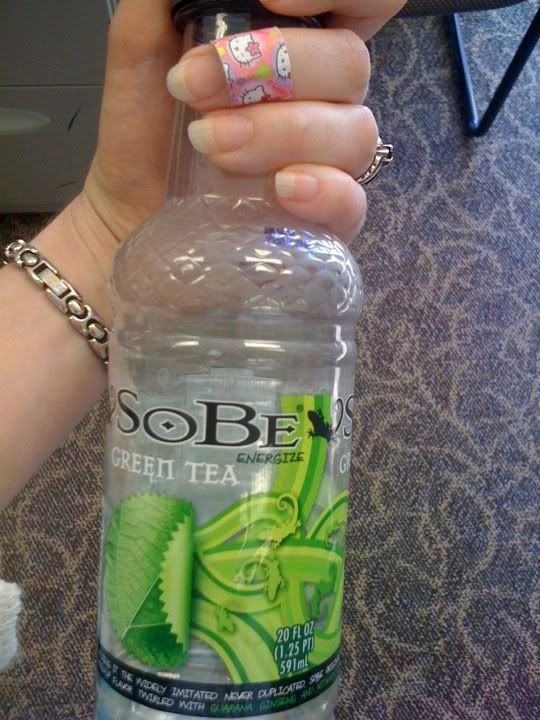
We have some great green tea from the Asian Market though I have been enjoying my Sobe green tea waters as well!

Health Tonic

Finally, getting back on track with taking my own advice... lol.  A shot of raw/unfiltered apple cider vinegar, raw/natural honey, and mixed with a bit of green tea!  And it was actually..... kinda good!!!  So it was a little bit like drinking a swig of straight up pickle juice, but then I do sorta enjoy that.  Just same in that POW kind of way, not the taste, lol.  About 1/2 to 3/4 a shot glass for starters is sufficient, though I'd like to work my way up to the whole thing.

I am still having a nice chug of Aloe Vera juice at night as well.  Good heavens, that stuff is versatile.  It's good for all sorts of stuff.  I'm learning even more about it (and other things) in that yay new Herb book I just got.

I thought I had a post about Green Tea but I do not seem to yet, oh well.  I'll have to work on that next.

Fructose is bad, mmmkay?

Didn't I already write this down? Oh yeah, I sorta did (Research that has just very recently been published in the journal Cancer Research shows that cancer cells can spread faster if they are fed fructose), so I guess this is a follow-up.

I hate drinking plain water.  But I need to drink more of it.  If you take any prescription medications, herbal treatments, etc. then you REALLY need to be sure to get enough water. I really would not care to have kidney problems so it's REALLY a must.  Drinking liquids like tea just doesn't suffice because -guess what, there's a lot of caffeine in there which is a diretic!  Strips water OUT of your body!  Sooooo counter-productive.  ARGH.  So, I had to keep seeking. 

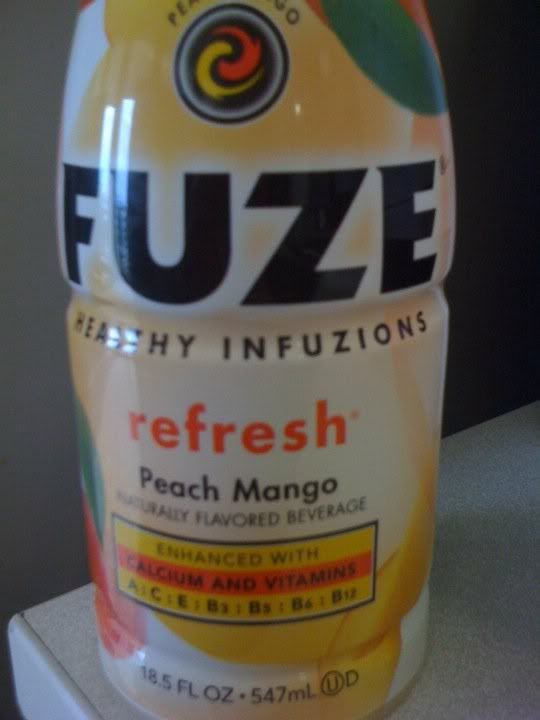
I was enjoying these Fuze fruit infused/flavored water drinks but they are sweetened with Fructose, which is just not a good idea! :( Granted, it's probably better than a lot of the other not-natural sugar substitutes.... but I'd rather avoid a daily intake of something I've recently heard horrible research about.... The good doc Mercola agreed about this finding, as well: his recent article states that "fructose in any form -- including high-fructose corn syrup (HFCS) and crystalline fructose -- is the worst of the worst!"  Crystalline Fructose was in my tasty green tea and waters. ;(

So in my quest to find the right daily beverage for me, NOT containing HFCS or Fructose or any artificial sweeteners, I landed on Sobe Green Tea.  Their Life Waters are also perfectly acceptable, as are Vitamin Waters, but I'm hoping to get the benefits of the green tea too while I'm at it. ;) I drink all 3, though this is my fav...


Some people won't be able to go for these due to sugar but I mean even 1 a day is just 25g of sugar.  A day.   Not so bad...

But again I say to you (hehe),  If you must drink artificially sweetened beverage products

- Avoid Aspertame (Diketopiperazine (DKP) is a byproduct of aspartame metabolism. DKP has been implicated in the occurrence of brain tumors.)
- Equal and NutraSweet contain Phenylalanine (50 percent of aspartame)
- Saccharin causes bladder cancer.
- I'm leery of Splenda because the research is not well tested. Chlorine by-products may remain in your body.

You can feel good about products made with Stevia / Truvia / PureVia! :) Gee, they ought to start giving me kickbacks for this, or something.  Nah.... really, just finding a tasty AND safe beverage is rewarding enough for me.  It's so rewarding that I felt compelled to share, in case anyone else might find this information to be enlightening, as well.

Saturday, October 30, 2010

The Right and Wrong Cooking Oils

In my quest to keep an eye on my cholesterol and what I can do about it, I continue to read health articles and new findings.  I am sure that my getting rid of unnecessary medications (Crestor) and picking up Krill Oil (better than Fish Oil) is already helping reverse the dangerous trend that had begun; my bad LDL's raising to a dangerous level, even though the doctor saw it as OK since the Total Cholesterol was lowered.  Ugg!  In a couple more months I'll have a new blood test done to confirm this but it will take some time for the effects to start balancing out.  I'm just glad to start the process of rebuilding my good HDL's to start countering this detrimental process that otherwise might have gone unchecked for -- who knows how long!  This is why it's important to temper the doctor's directions with your own research and common sense, sometimes! Even if that means asking for a second or third opinion, or taking some matters into your own hands after you've become educated about it.  It's sad but true that doctors are usually "in kahoots" with the drug companies and they're not likely to encourage you to stop taking any med that's gaining them favor or money with them... Yes they mean well, but they're blinded. And usually, to make matters worse, their training and research doesn't teach them to look outside of the pharmaceutical world for cures, because that's where the money is at.

Anyway, back to the purpose for this morning's post...
So I'm learning how which kinds of cooking oil can also contribute to this problem!
Yes, I really like Dr. Mercola's articles: not only do they present his own research and findings, but that of other experts as well.  He is continually interviewing others and reporting upon THEIR findings as well.  So these articles aren't just one man's thoughts and opinions.  Plus, you can Google these topics for yourself and learn what you will, once you know where to start.

Cooking with Tropical Oils – Your Healthiest Alternative

Consuming a majority of your food uncooked is a cornerstone of optimal health.
Nevertheless, most people prefer to cook their food, at least occasionally. When you do, you're going to cook with some form of oil. The question is, what's the best, healthiest type of oil to use when cooking?
coconut oil is okay to cook with. It's a saturated fat.  Your body will burn it as fuel or it will get rid of it some other way. It won't store it in your body.. So from that point of view, if you're going to use oil then that's a good one to use."
Unlike carbohydrates, which can also deliver quick energy to your body, coconut oil does this without producing an insulin spike. It acts like a carbohydrate, but without any of the debilitating insulin-related effects associated with long-term high carbohydrate consumption.
There are additional health benefits of coconut oil.

The Worst Cooking Oils of All


Polyunsaturated fats are the absolute WORST oils to use when cooking because these omega-6-rich oils are highly susceptible to heat damage.
This category includes common vegetable oils such as:
- Corn
- Soy
- Safflower
- Sunflower
- Canola
Damaged omega-6 fats are disastrous to your health, and are responsible for far more health problems than saturated fats ever were.
Trans fat is the artery-clogging, highly damaged omega-6 polyunsaturated fat that is formed when vegetable oils are hardened into margarine or shortening.
I strongly recommend never using margarine or shortening when cooking. I guarantee you you're already getting far too much of this damaging fat if you consume any kind of processed foods, whether it be potato chips, pre-made cookies, or microwave dinners...
Trans fat is the most consumed type of fat in the US, despite the fact that there is no safe level of trans fat consumption, according to a report from the Institute of Medicine.
Trans fat raises your LDL (bad cholesterol) levels while lowering your HDL (good cholesterol) levels, which of course is the completeopposite of what you want. In fact, trans fats -- as opposed to saturated fats -- have been repeatedly linked to heart disease. They can also cause major clogging of your arteries, type 2 diabetes and other serious health problems.
Personally I don't cook very much but when I do I use our Pure Virgin Coconut Oil as it is the most resistant to heating damage, but also a great source of medium chained triglycerides and lauric acid.
So, cleaning these oils out of your kitchen cupboard is definitely recommended if you value your health.

See this article for additional
Important, New Information about Olive Oil
http://articles.mercola.com/sites/articles/archive/2010/10/30/rudi-moerck-on-cooking-oils.aspx?aid=CD945
Wednesday, October 27, 2010

Re: Hormones in our food

Re: Girls, Prepubescence, and Hormones in Food

I am SO thrilled to see this on the milk labels at Publix!
"From cows not treated with rBST
artificial hormone"


Believe what you will, but I am still compelled by people's statements like the ones in this article:

"Let me start by saying I have no scientific proof, but I've seen the difference first hand.

My brother grew up thinking he was extremly allergic to milk. Went over to Europe and had milk by accident and wondered why he didn't get sick -- he had hormone free milk. We've been buying Organic Milk ever since and he hasn't been sick since. I told a friend about that story just this past month who also thought she were allergic to milk, same result. They don't talk about people who have side affects to chemicals they pump into these cows to make them more productive. Most of these people go on thinking they are allergic to milk."
Friday, October 15, 2010

Prevent Memory Loss and Cognitive Decline

Why do I always only seem to blog about health related topics? LOL... I don't know, but this is what's on my mind this morning...

Another nice article by Dr. Mercola:

The Best Strategy to Prevent Memory Loss and Cognitive Decline:

  • Exercise is a Vital Component of Brain Health

  • Eat Your Veggies to Protect Against Mental Decline

  • Omega-3s are Vital for Healthy Brain Function

  • Foods to AVOID to Keep Your Mind Sharp

Foods to avoid in order to protect the health of your brain.  Four foods in particular can be pinpointed as the enemies of optimal brain health:
  1. Sugars, especially fructose
  2. Grains
  3. Aspartame
  4. Soy
  • Other Brain-Healthy Lifestyle Strategies


  1. Optimize your vitamin D levels Through safe sun exposure, a safe tanning bed and/or vitamin D supplements. Vitamin D plays a very important role in brain development and function, so get tested regularly to make sure you maintain healthy levels year-round.
  2. Challenge your mind daily. Mental stimulation, such as traveling, learning to play an instrument or doing crossword puzzles, is associated with a decreased risk of Alzheimer's. Researchers suspect that mental challenge helps to build up your brain, making it less susceptible to the lesions associated with Alzheimer's disease.
  3. Avoid mercury. Dental amalgam fillings are one of the major sources of mercury, however you should be healthy prior to having them removed.
    Once you have adjusted to following the diet described in my nutrition plan, you can follow the mercury detox protocol and then find a qualified biological dentist to have your amalgams removed. (Be sure to only use a high-quality biologically trained dentist who is familiar with the removal of amalgam fillings or your health could get ruined.)
  4. Avoid aluminum, commonly found in items such as antiperspirants and aluminum cookware.
    Avoid flu vaccinations as well, as they contain both mercury and aluminum!
  5. Avoid fluoride. Fluoride is another powerful neurotoxin. The most common sources would be in your water and toothpaste. But it is also a part of some antibiotics (like Cipro), soy protein, and pesticides, so seek to have as much of your food organically grown as possible, and filter your tap water with a reverse osmosis filter to eliminate the fluoride.
Thursday, September 30, 2010

Aloe Vera (Again)

Okay, so I know I already went on about the health benefits of Aloe Vera once.  But it has so much to offer!  I was thinking about it again.  I wondered.... if it's so awesome, and helps to rebuild collagen, then  how about applying it in a gel format to the face instead of using other lotions or creams?  The ultimate anti-aging, stay young-looking cream! 

Sure enough, they sell a host of creams, masks, and products.  Not only do the products contain aloe, they also contain collagen.  I find this to be useless, though - the skin can't absorb collagen applied directly to it.  It has to rebuild it on its own.  So the products probably DO work some, thanks to the aloe content, but they are overpriced and bulked down with stuff you really don't need.  Just use the natural plant gel!  Or buy some plan aloe vera gel.  THAT'S what's working the magic, after all.  Why pay for ingredients that are useless? (except for keratin.  That's not useless.)  Aloe accelerates the collagen production process.  So feed it to your skin like it's going out of style! :)

That's not something they can test on lab rats.  So you won't find research so readily on this topic.  But put 2 and 2 together, here. Aloe Vera HAS been proven to aid in the rebuilding of collagen in wounded rats.

It's just all around great, too.  We know that Aloe is great to soothe damaged skin.  We've put it on burns and sunburns plenty of times... or at least, I know I have.  It decreases the healing time, and reduce scarring.

Did you know that Aloe is much more beneficial than just for damaged skin?
  • It can help keep your skin from becoming dry, scaly, and yucky .
  • It can eliminate liver spots.  Apply twice a day for a month or two.
  • Let's not forget the staggering list of benefits from my first post.
  • "Aloe is being found that it has an affect on the aging process of cells within the body.
    http://www.buzzle.com/articles/power-aloe-vera.html

Topically used or ingested, aloe vera has been to proven to have many positive affects on the human body."

You can buy this stuff even at Wal Mart!  Just look in the pharmacy section for the juice.

But I do plan to incorporate it into more than just inside now, too - it will be inside AND out for me, thankyouverymuch.....

See also - my previous article Aloe/Collagen

Krill Oil & Cholesterol

I'm 34 years old and in Dec 2006, my doctor told me my cholesterol was high. I wouldn't have known this if I didn't go in to have an irregular heartbeat checked out.  I wouldn't have known THAT if my OBGYN didn't notice it during a regular annual exam. I had bloodwork done for the heart murmur which wasn't fasted so we checked it again a couple of times.  But even then, test results confirmed:

Total: 231 | 248 | 259
LDL: 23.9 | 37 | 24
HDL: 47 | 51 | 50

I'm on the skinny side but it's hereditary for me, apparently.  I don't exactly exercise a lot but I'm also not exactly inactive.  I don't eat poorly.  So there wasn't much else I could do as far as typical lifestyle changes to counter it.  He recommended I take Crestor.  And so I did.  I went ahead and took it, up until August of this year, that is.  I had finally read enough about it and decided it just isn't for me.  Yes, it has kept down the number they were reporting on:

Total: 139 | 140 | 154 | 170
LDL: 74 | 73 | 84 | 102
HDL: 52 | 52 | 52 | 51

But now they say that this all-mighty Total cholesterol # is not even the factor in heart disease. As you can see, my LDL wasn't very high to begin with.  According to NHLBI , LDL is the bad cholesterol that is the main source of cholesterol buildup and blockage in arteries.  Less than 100 mg/dL is considered optimal for the LDL cholesterol level.  I was far from that. It's the high Total cholesterol that concerned him.  I am sure that there's a better way to lower it than with those pills. I'm not worrying over the medication's side effects that they tell you about.  It's the things they don't tell you that are of concern.  Just look at my LDLs in the second, more recent set of #s: it's even higher after being on the medication!  It's actually over the optimal level now!  Sowhat if the total cholesterol is down low!?  Clearly, this isn't working out for the benefit of my long-term health.

I knew, from reading, that taking a statin would starve the heart of CQ10 - which can be supplemented, but I could see where this would get expensive and fast. (Coenzyme Q10 and Statins) I knew I had to find a different solution. I hate taking chemicals on a daily basis because they're not natural to the body and surely have side effects we don't even know about. I'm in this life for the long haul, so I want to do the best I can, reasonably, to see to that goal. (i.e., I'd buy all organic foods, if I could afford it...)

I saw the doctor's practicioner next time I went in so I talked to her about all this, and she recommended I drop the pill and take fish oil.  Well, I had been taking it but had to quit due to the unpleasant burping of fish oil.  I tried cod liver oil caplets which didn't have this, but she said they are not so beneficial like others. She said they could give me a sample of Lovaza which is essentially a prescription-strength fish oil that is super purified.  Great, I said!  Let me try that.  It seemed fine and great and I went through nearly the whole bottle but had to stop that too.  Turns out it wreaks havoc upon my digestive system.  Ugh.  So I'm back on the market for new information.

I have been following the studies of Dr. Mercola, and from him learned of the benefits of..... krill oil!  Not only is it better than regular fish oil, there is also no unpleasant aftertaste.  While it's more expensive than fish oil, it's also going to cost me less than the Lovaza after my insurance co-pay ($33.29), or about the same.


A snippet from Mercola :
HDL percentage is a far more potent indicator for heart disease risk. Here are the two ratios you should pay attention to:

   1. HDL/Total Cholesterol Ratio: Should ideally be above 24 percent. If below 10 percent, you have a significantly elevated risk for heart disease.
   2. Triglyceride/HDL Ratio: Should be below 2.

I have seen a number of people with total cholesterol levels over 250 who were actually at low risk for heart disease due to their elevated HDL levels. Conversely, I have seen many people with cholesterol levels under 200 who had a very high risk of heart disease, based on their low HDL.

Your body NEEDS cholesterol—it is important in the production of cell membranes, hormones, vitamin D and bile acids that help you to digest fat. Cholesterol also helps your brain form memories and is vital to your neurological function.
There is also strong evidence that having too little cholesterol INCREASES your risk for cancer, memory loss, Parkinson's disease, hormonal imbalances, stroke, depression, suicide, and violent behavior.


Here is a summary excerpted from an excellent source, which I couldn't have said better myself:
http://www.proteinpower.com/drmike/uncategorized/why-krill-oil/

Neptune Technologies is the Canadian company that holds the patent for krill oil extraction.  Krill oil, like fish oil, contains both of the omega-3 fats EPA and DHA, but krill oil's structure makes it much more absorbable than fish oil.

Krill oil contains vitamin E, vitamin A, vitamin D and canthaxanthin, a potent anti-oxidant. The anti-oxidant potency of krill oil is 48 times more potent than fish oil.

The astaxanthin found in krill oil provides excellent protection against ultravoilet light and UV-induced skin damage.

A number of studies have shown that krill oil is tremendously effective in reducing LDL-cholesterol, raising HDL-cholesterol, and lowering blood sugar. It has been shown to be effective in treating the pain and inflammation from rheumatoid arthritis and aches and pains in general. One large study showed that krill oil has tremendous benefits in terms of symptom reduction in PMS and dysmenorrhea. And it has been shown to be effective in the treatment of adult ADHD. In all these studies krill oil was tested against fish oil and not simply a placebo.

Due to the rapid absorption of krill oil and the high anti-oxidant content there is virtually never the fishy burping and aftertaste sometimes experienced with fish oil. And there are no other side effects to speak of.

The only downside is that it is a little more pricey than fish oil, but you get what you pay for.

Virtually all krill oil is produced by Neptune Technologies and shipped to the various supplement manufacturers, so any krill oil you get will have come from the same place and be the same dosage. The only unknown is how long it has been sitting around in a warehouse somewhere, which is, of course, the same unkown with fish oil. At least with krill oil, thanks to the high anti-oxidant content, the shelf life is much longer.


Also from Mercola :

Optimizing Your Cholesterol Levels, Naturally

There's really no reason to take statins and suffer the damaging health effects from these dangerous drugs.
The fact is that 75 percent of your cholesterol is produced by your liver, which is influenced by your insulin levels. Therefore, if you optimize your insulin level, you will automatically optimize your cholesterol.
It follows, then, that my primary recommendations for safely regulating your cholesterol have to do with modifying your diet and lifestyle:
  • Reduce, with the plan of eliminating, grains and sugars in your diet. Eat the right foods for your nutritional type , and consume a good portion of your food raw
  • Make sure you are getting plenty of high quality, animal-based omega 3 fats , such as krill oil.
  • Other heart-healthy foods include olive oil, coconut and coconut oil, organic raw dairy products and eggs, avocados, raw nuts and seeds, and organic grass-fed meats as appropriate for your nutritional type.
  • Exercise daily. Make sure you incorporate peak fitness exercises, which also optimizes your human growth hormone (HGH) production.
  • Address your emotional challenges . My favorite technique for stress management is the Emotional Freedom Technique (EFT).
  • Avoid smoking or drinking alcohol excessively.
  • Be sure to get plenty of good, restorative sleep .
Unlike statin drugs, which lower your cholesterol at the expense of your health, these lifestyle strategies represent a holistic approach that will benefit your overall health—which includes a healthy cardiovascular system.
Friday, August 27, 2010

Don't Feed The Troll: Cancer Feeds on Fructose

It's all over the news:  Research that has just very recently been published in the journal Cancer Research shows that cancer cells can spread faster if they are fed fructose.

What this means to you:  Your soda, and tons of other things you may eat on a daily basis, are loaded with food for cancer.  High fructose corn syrup is in bread and many other foods.  It's not just food for cancer, but Miracle Grow for cancer.

All sugars are *not* created equally.  Cancer cells fed both glucose and fructose have shown us this by responding differently in recent lab tests. Fructose Speeds Up Cancer Growth! 

This knowledge might help scientists to develop a drug to stop tumor cells from making use of fructose.
In the meantime, what can you do to help make sure you don't enable cancer to eat you alive?
Cut back on anything that contains the dreaded High Fructose Corn Syrup...

I don't know about you, but if *I* were to get any cancerous cells, I sure don't want to enable them to proliferate throughout my body even more rapidly. O_O

http://www.msnbc.msn.com/id/38528161/
http://www.nafwa.org/general-nutrition-topics/85-alternate-nutrition/20830-cancers-favorite-food-found-in-everything-you-eat.html
http://articles.mercola.com/sites/articles/archive/2010/08/27/warning--fructose-feeds-cancer-cells.aspx
Wednesday, August 18, 2010

Girls, Prepubescence, and Hormones in Food

This morning on the Today Show, while I was getting ready to leave for work, I listened to a piece on 'tweens and the clothing in stores as they all shop for back to school.  It was about how the clothing for young girls looks like stuff for teenagers. And the stuff for teenagers and junior sizes looks like women's now. 


It should come as no surprise, America.  After all, look at what we've been feeding kids: hormones that are causing puberty to happen prematurely, particularly in young girls (the hormones contain estrogen).  That's right, synthetic sex hormones.  Just because the FDA decides it's safe doesn't always mean it is.  There's a lot of long-term study they can't possibly do with new stuff.  Guess what?  We get to be their guinea pigs!

What are the dangers?  Well, aside from cutting a girl's childhood short, early puberty in girls has been found to be associated with a higher risk for breast and other forms of cancer. Children, pregnant women and the unborn are thought to be most susceptible to negative health effects. [1]

Where's it coming fromBeef milk [2] (A 2007 USDA Dairy Survey estimated rBGH use in 17.2% of cows)
Thankfully, other dangerous growth hormones used in chicken have now been banned [3].  (Then why are chickens today so much bigger than the ones I used to eat as a kid!?  Well, chickens bred for meat [4] are much larger than the ones raised for eggs.)
Apparently we (the US) are still giving hormones to our beef cows which Europe has banned. American beef itself is banned in Europe because of it. [5]

In China, Bovine growth hormones are fed to cows to accelerate their rate of growth. Unfortunately, these hormones are also affecting the babies being fed formulas made from the milk of these cows. Bovine growth hormones are permitted in China because there's no law against them. It is causing infants to have levels of estrogen as high as would be expected in adult women, resulting in infants growing breasts!

Hmmm, you don't see much on the growth hormones being used on pigs.  Apparently pigs naturally already have elevated levels of antibodies and growth hormones.[6]  Pork should therefore no longer be any more harmful to human health than these other genetically-altered animals.
And we wonder what's so wrong the "western" diet - this all leads to inflammation which is one of the top 4 causes for aging.[7]  But, I digress...


What to do about it I guess we'll have to swap to organic dairy and meat products for the kids.  And for ourselves, if we can afford it.  Good luck with that.  Many of us can't afford to shop at Whole Paycheck.

Also, see these great resources and tips:

"There are many small family farmers who don’t use artificial hormones on their animals. By purchasing your milk and meat from local, sustainable farms, you are supporting a system that ensures the health and welfare of the farm animals, and protects you and your family from hormone-related health risks.
  • Choose hormone-free beef and rBGH-free dairy products at the supermarket. Foods that carry the “USDA-certified organic” label cannot contain any artificial hormones. When purchasing sustainably raised foods without the "organic" label, be sure to check with the farmer to ensure no additional hormones have been administered.
  • Visit the Eat Well Guide for an online listing of stores, restaurants and producers that sell hormone-free meat and dairy products.
  • Use Sustainable Table and Food and Water Watch’s rBGH-free dairy list to find a list of rBGH-free brands available in your state."[8]


Wednesday, July 21, 2010

Coenzyme Q10

I started looking around in an iPhone app I found, after I had been feeling wiped out for a while last February.  I got back to normal after a little while so I didn't think much about this again, until coming across an article this week.


Cholesterol Drugs Actually Cause Heart Disease, if you don't replenish your Coenzyme Q10!  Read more.

This doc feels that Ninety-Nine Out of 100 People do Not Need Statin Drugs but since my doc has me on it, I'll keep taking it, for now... but not without getting the C.Q10 I saw at the store.
------------------------------------------------------------

Coenzyme Q10 is critical for the electron transport system (ETS) to do its job of harvesting over 75 percent of the ATP energy from food. Because of this, it is important in energy production. Although a lot is found in the diet, it can become depleted during periods of excessive energy demands. Levels of Coenzyme Q10 are also significantly lower in women who use oral contraceptives or Premarin and Provera, which may in turn increase the risk of cardiovascular disease. In addition, most cholesterol lowering drugs deplete Coenzyme.

Wham. It's like a double-whammy hitting me. It's like they wrote this article for me. And it's not the only one.

2) Statin medications decrease your body's supply of CoEnzyme Q10 (CoQ10), which is an essential nutrient for heart strength and function.

3) (Crestor) This drug is given to lower LDL cholesterol levels in order to reduce risks of a heart attack. However, this drug clearly lowers CoQ10 levels in the tissues, thus increasing risk for heart disease. Certainly, anyone taking Mevacor or similar type drugs should be on a significant dosage of CoQ10.

Statin-induced CoQ10 deficiency is completely preventable with supplemental CoQ10 with no adverse impact on the cholesterol lowering or anti-inflammatory properties of the statin drugs."

Then again, maybe I'm just lazy and don't want to do my projects at work. I am inclined to think not, though. But one doctor involved in this website says:

"If taking cholesterol medication, be aware that they cause Coenzyme Q10 deficiency. I strongly recommend that you take 200 mg of Coenzyme Q10 daily as well."

Some reports claim that statins (Crestor, Lipitor, etc.) interfere with the liver's natural production of Coenzyme Q10, reducing quantities by up to 40 percent. As a result, some suggest statin users take supplements of Coenzyme Q10, but warn that absorption varies.


"The best advice right now about Coenzyme Q10 is caveat emptor - let the buyer beware. It seems to be safe, but there's no good evidence that it improves heart health. National guidelines on the use of statins and the treatment of congestive heart failure recommend against Coenzyme Q10. If you choose to use it, take it as insurance, not as a substitute for proven strategies."

Coenzyme Q10 (CoQ), also known as ubiquinone, is a natural, fat-soluble antioxidant produced in the body. How to Best Absorb Coenzyme Q10

Nice to know:
Best food sources of CoQ - Mackerel, salmon and sardines. Other sources are beef, peanuts and spinach.